Braunhut was born on March 31, 1926, in New York to Austrian immigrant Edward Braunhut and American-born Jeanette Cohn, both residents of New York. Harold’s maternal grandfather was Tobias Cohn, an Austrian immigrant, who in 1900 founded T. Chon Inc., which specialized in tin toys.
According to the 1930 census record from The Bronx, New York, Harold was four years old at the time, and is listed as having been born in New York. In a 1988 article, Harold supposedly stated that his family moved from Memphis to New York in 1931. A few lines later in that article, it is stated that he was born in Manhattan. This puts into question the alleged Tennessee birthplace that some sources claim.
Growing up in New York, Harold would become a person with many peculiar endeavors.
In his younger years, he performed mentalism under the name Telepo & rode motorcycles under the name Green Hornet. He was the manager of magician and mentalist Joseph Dunninger during his last years. He also managed Henri LaMothe, who dove 40 feet into pools with just a few feet of water in them. Out of Harold’s many ventures, his inventions and marketing in the novelty toy industry would become his most successful one.
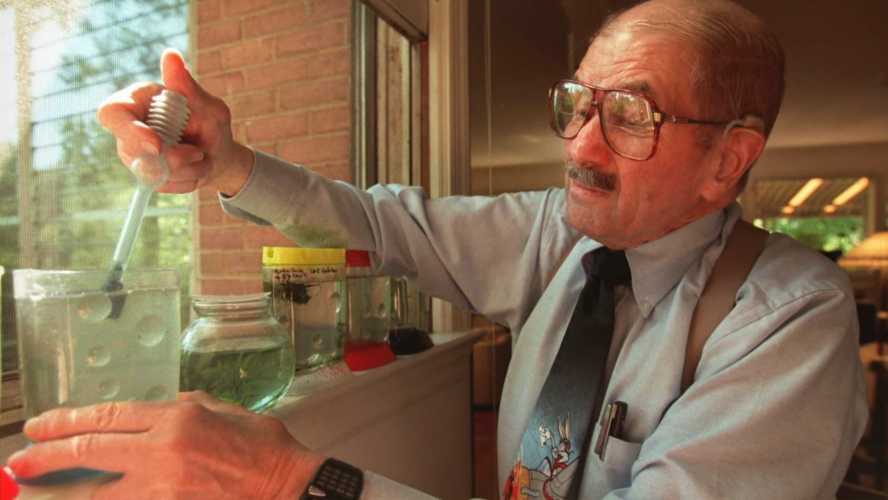
It was allegedly in 1957 that Harold got the idea for Sea-Monkeys after a visit to a pet store and seeing brine shrimp being sold as fish food. He developed the idea in the subsequent years, eventually with some clever marketing in comic books, primarily during the 1970s, Sea-Monkeys would become his most iconic idea.
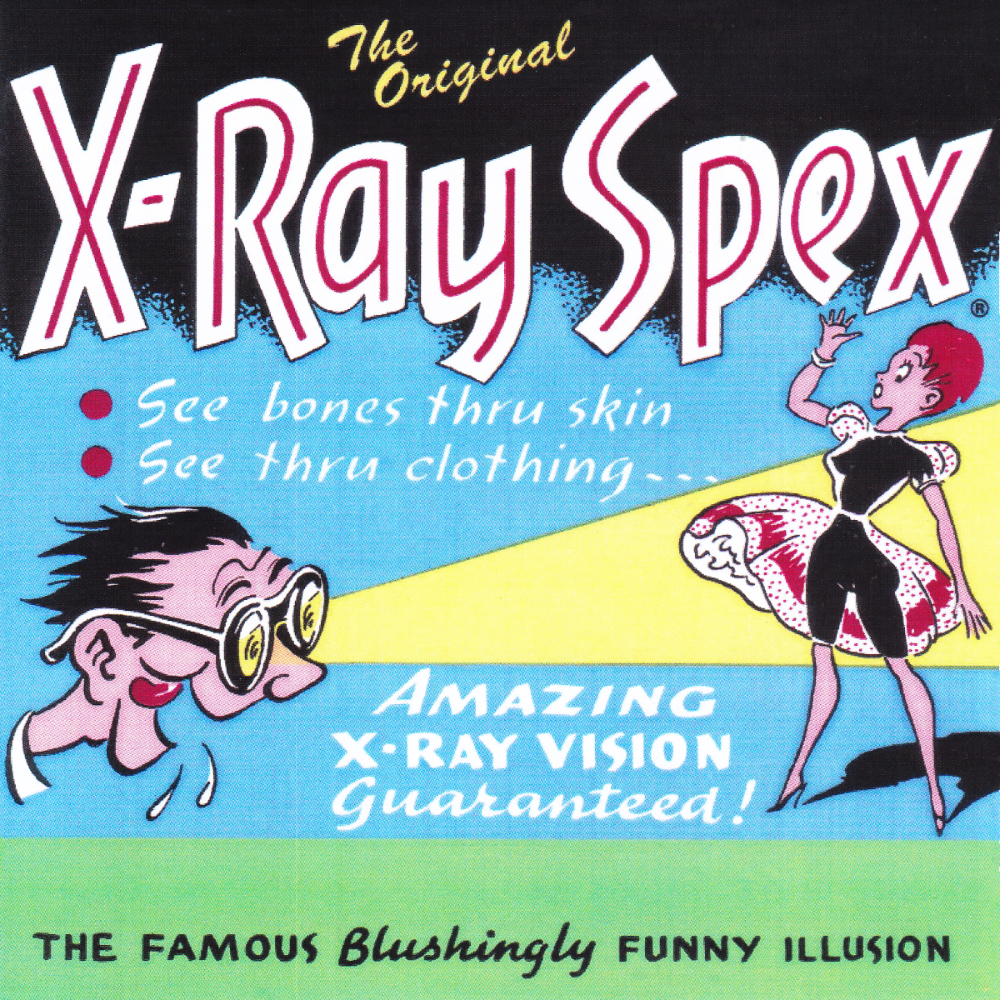
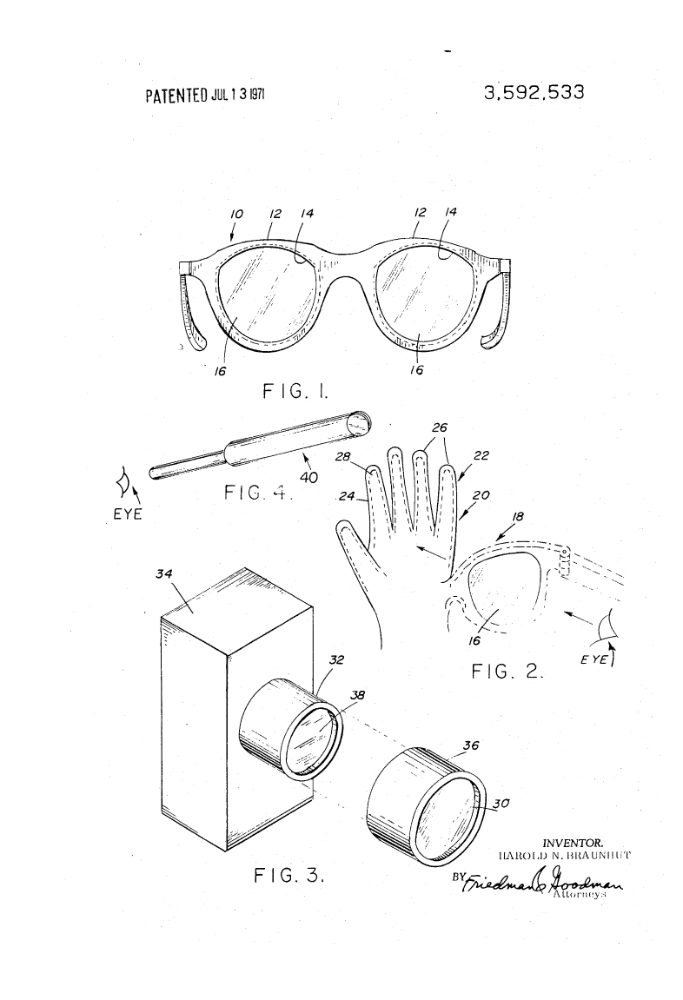
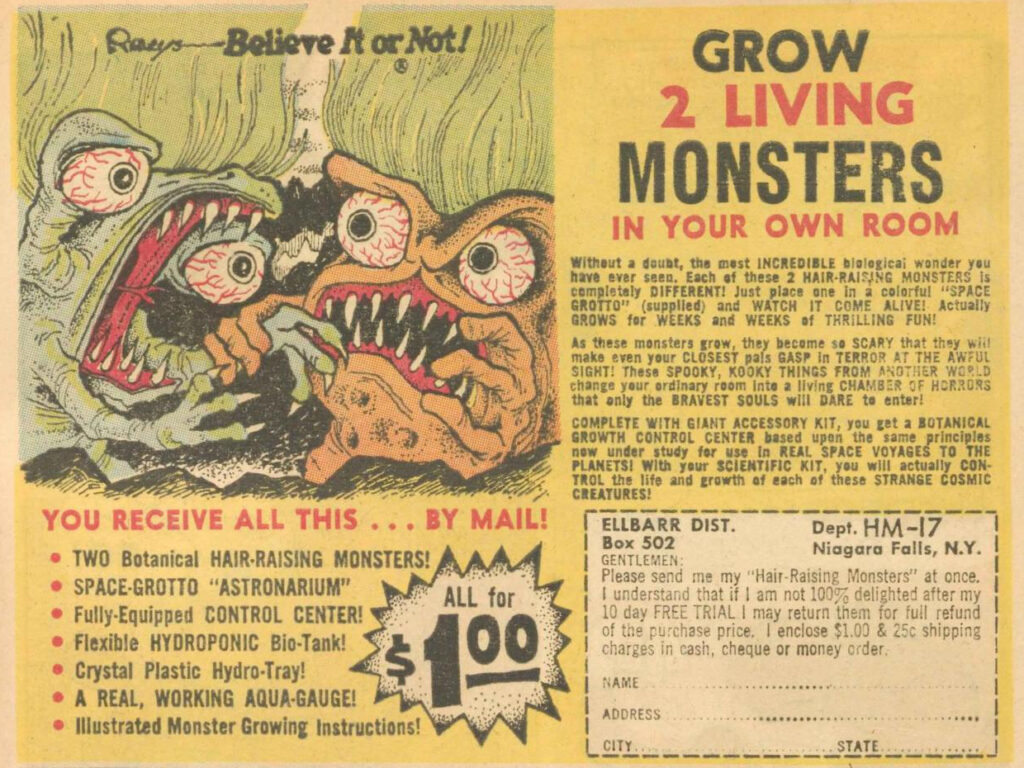
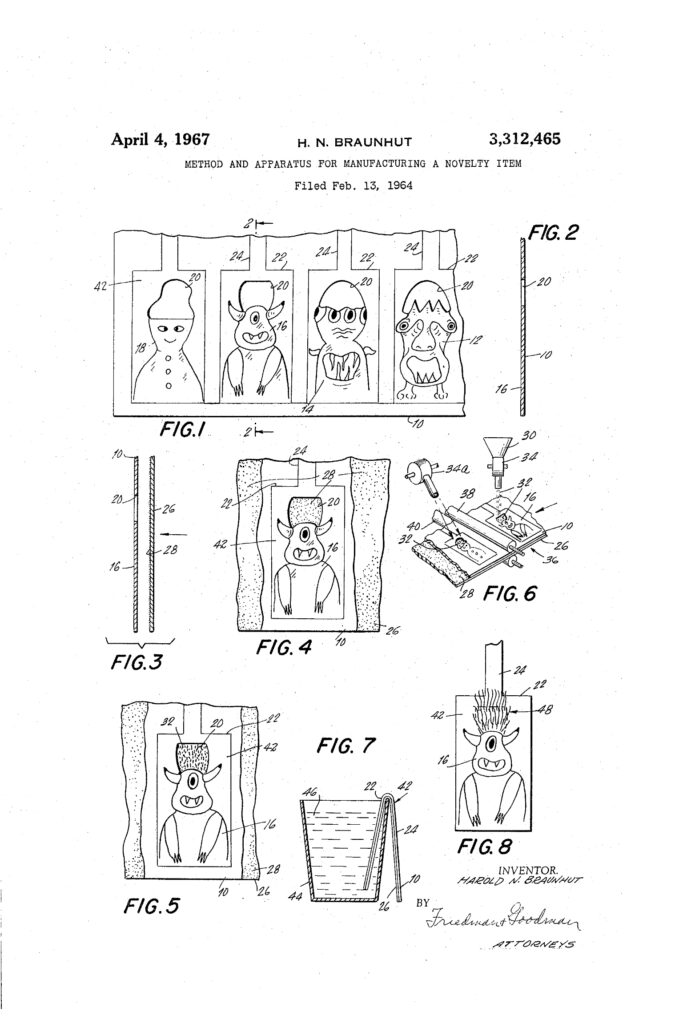
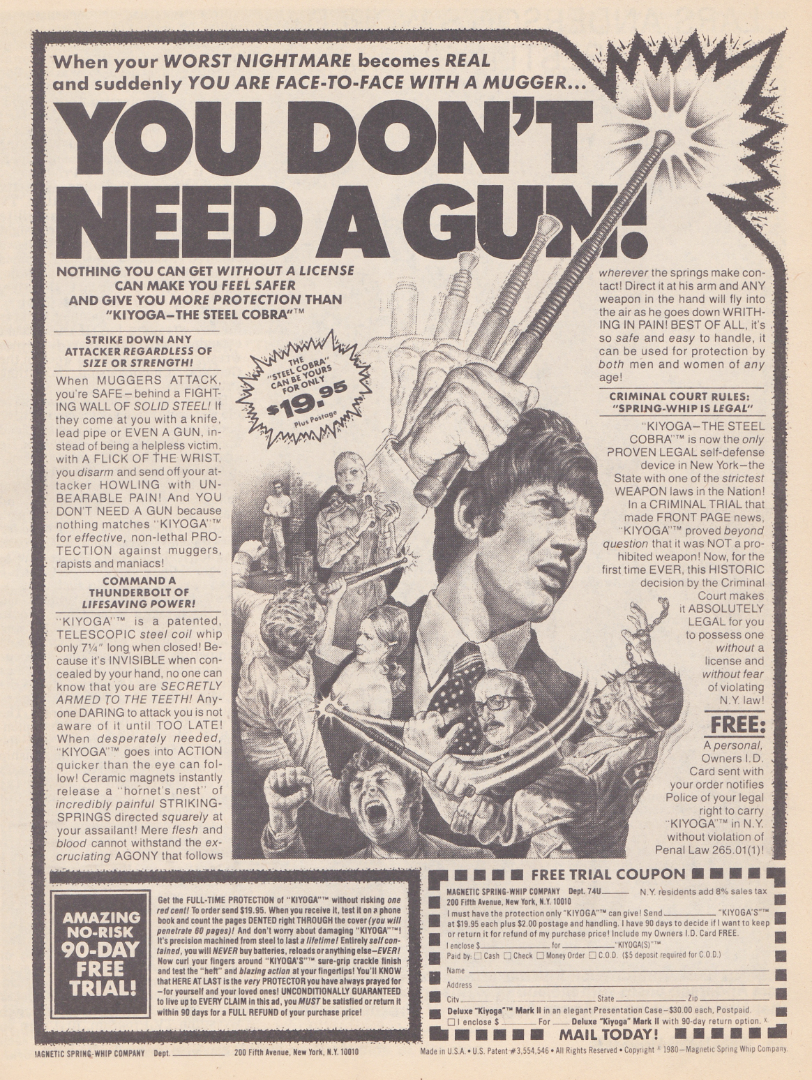
Amongst some of his other novelty inventions, we had Crazy Crabs, Hair-Raising Monsters, Invisible Golfish & the X-Ray Spex, which also had a notable presence in comic books.
In 1968, during a taping of a Dunninger show Harold was producing, he met actress Yolanda Signorelli. She would end up becoming a secretary for Harold’s Sea-Monkey business and would end up dating him for twelve years.
On Valentine’s Day 1980, the couple tied the knot. In 1984, the couple eventually moved to Maryland, to a property next to the Potomac River, which was turned into the wildlife sanctuary called Montrose Farm.
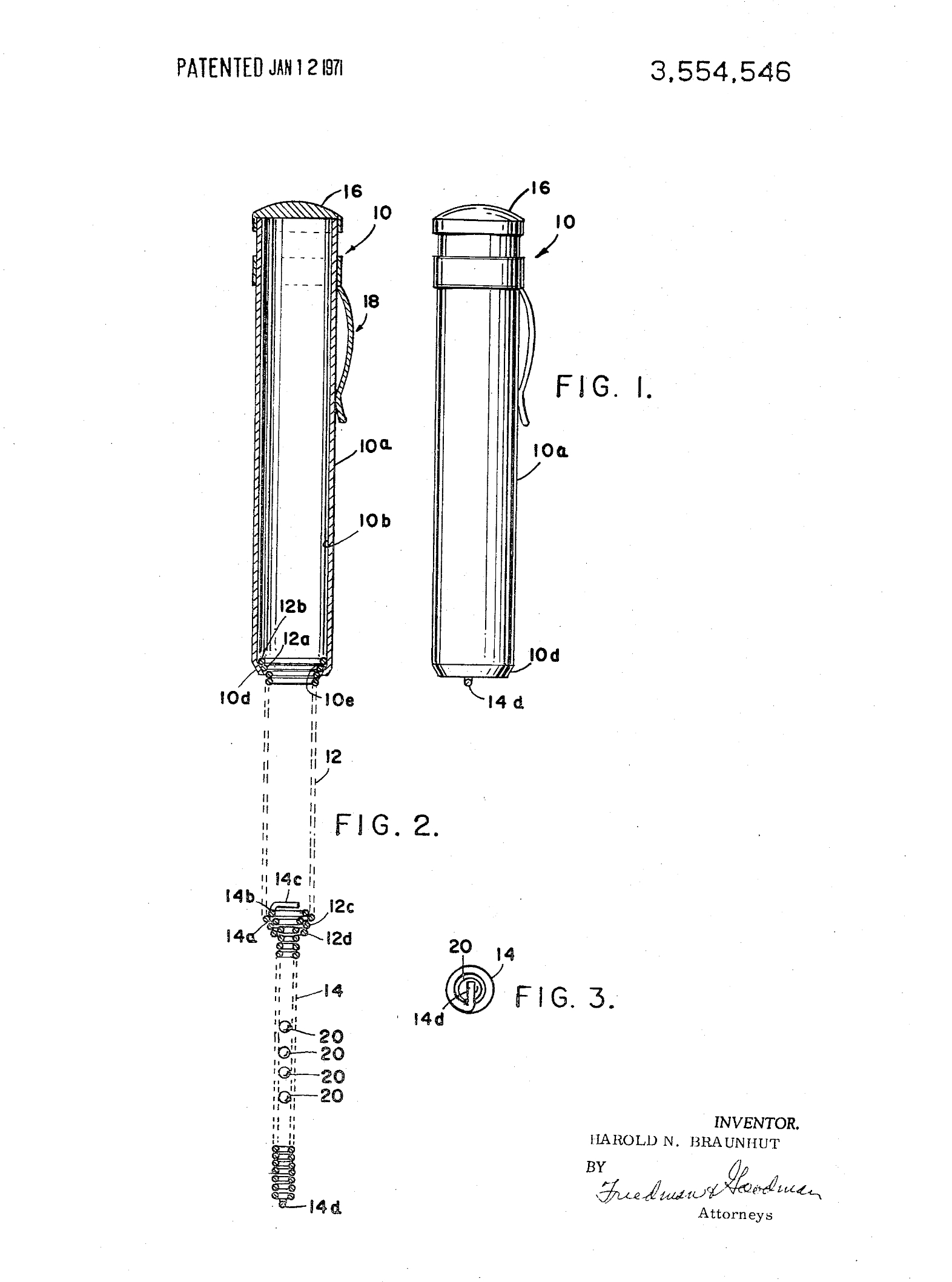
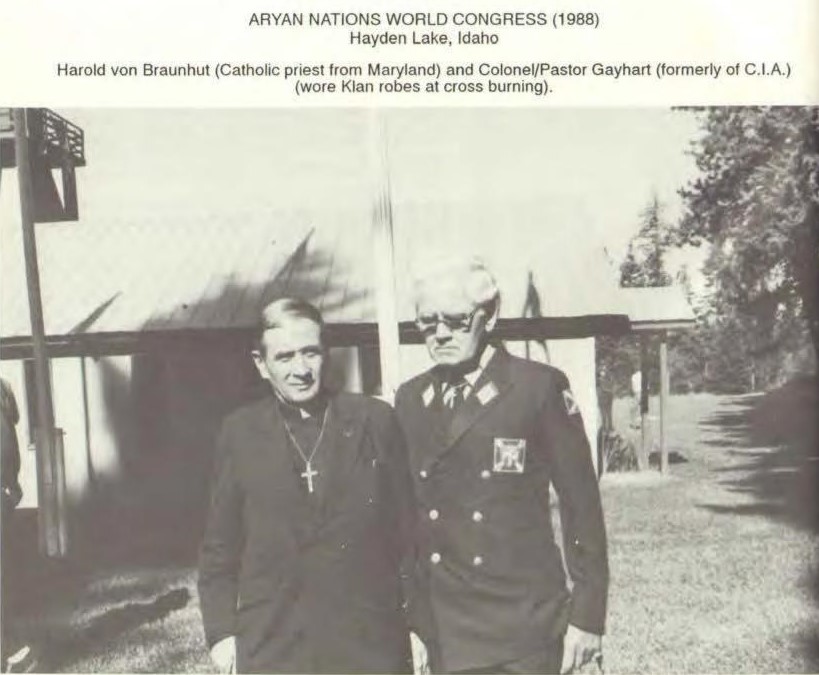
As evident in patent documentation, it’s during the 1980s that we see Harold having dropped his middle name, Nathan, in favor of the prefix von. In 1988, a Washington Post article brought to light Harold’s Jewish upbringing and his involvement with white supremacist groups.
Despite the subsequent fallout the news caused with some Sea-Monkeys license holders, Harold’s involvement with hate groups continued during the 1990s.
In 2000, a new article by the Los Angeles Times put Harold in the spotlight once again about his involvement with hate groups. By this time, the Internet was becoming more widespread, making such information about Harold reach a wider audience and harder to deny.
On November 28th, 2003, a day after Thanksgiving, Harold, aged 77, died after a fall sustained at his house in Maryland. Leaving Yolanda as the heiress of the Sea-Monkey business.